A personal field note from four days at Monument Festival in Norway — on music, nature, community, care and the ideas that led toward Primal Futurism.
Ronny Eriksson ·
I found Monument Festival through my best friend.
He went to the festival in 2025 and came back telling me I had to experience it. I did what you do when someone whose taste you trust tells you something like that: I opened the website.
And I fell in love with the brand before I had heard a single set there.
The typography. The photography. The strange little details. The way nature and electronic music existed next to each other without either becoming decoration. The mixes. The editorial. Even the language. Everything felt like it belonged to the same world.
More importantly, it felt like someone actually cared.
I spend a lot of my life around festivals, culture and brands, and you become quite good at noticing when something has been assembled versus when something has grown. Monument felt like the latter. I started going backwards through what they had made, listening to mixes, reading stories, looking through old festival editions. I learned that Monument hadn't actually begun as a festival at all. It started in Norway in 2013 with a podcast, sharing techno and introducing artists. Six years later, in 2019, they invited their community to their first festival: 450 tickets, three days, in the forests outside Oslo.
That order stuck with me.
They didn't create a festival and then figure out how to build a community around it. They spent years building a world people wanted to belong to, and eventually gave that world a physical home.
I had to go.
Entering the forest
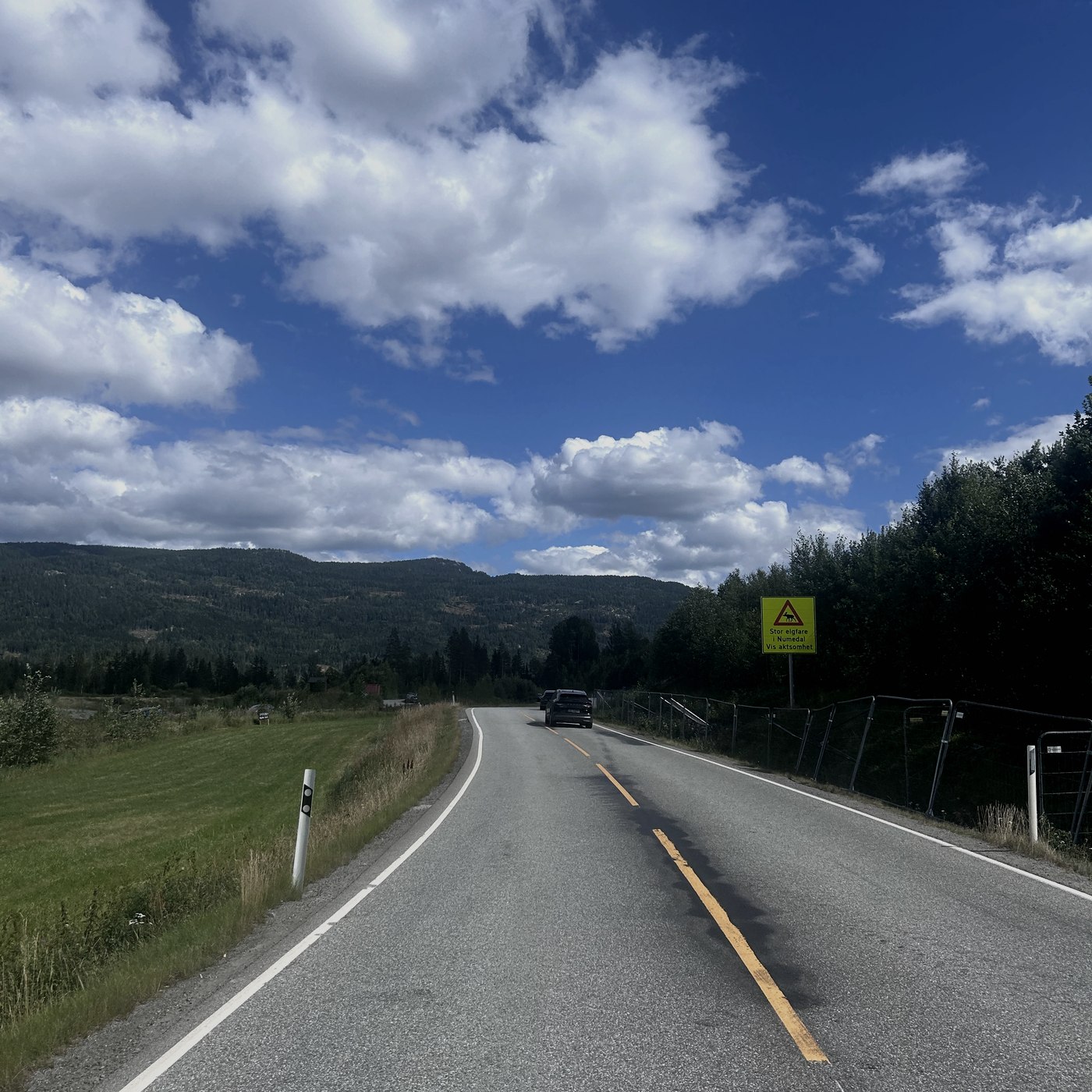
So a week ago, I finally did.
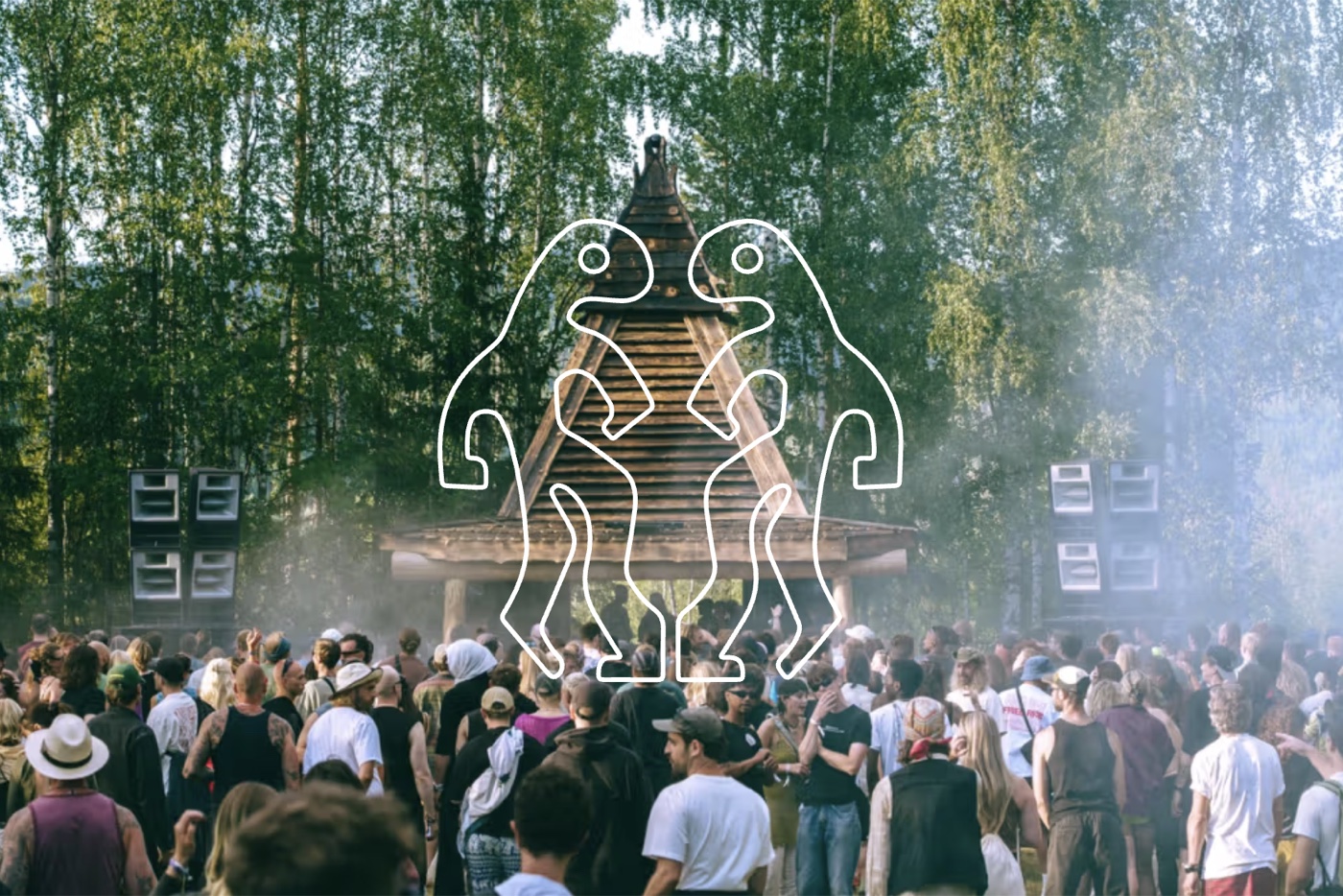
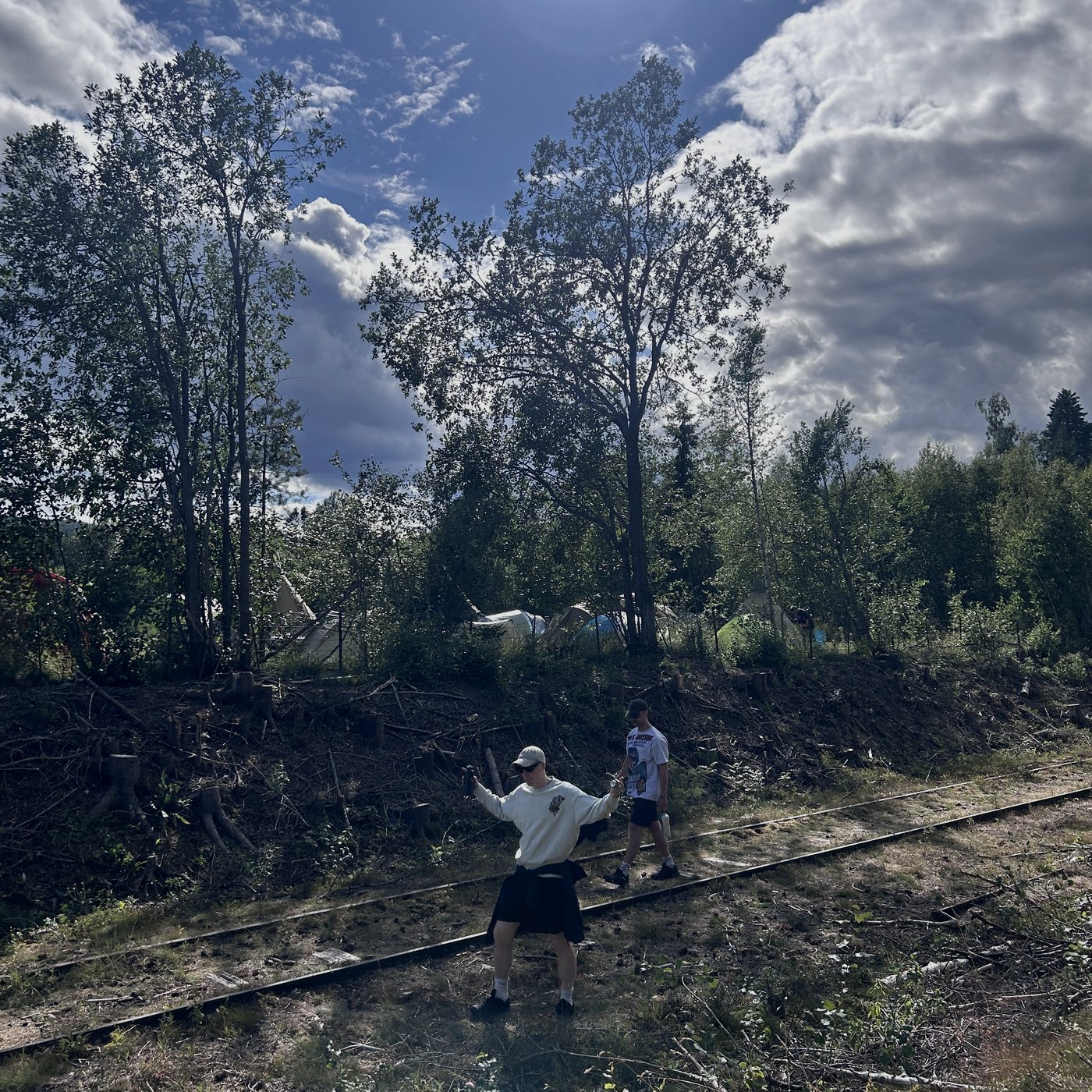
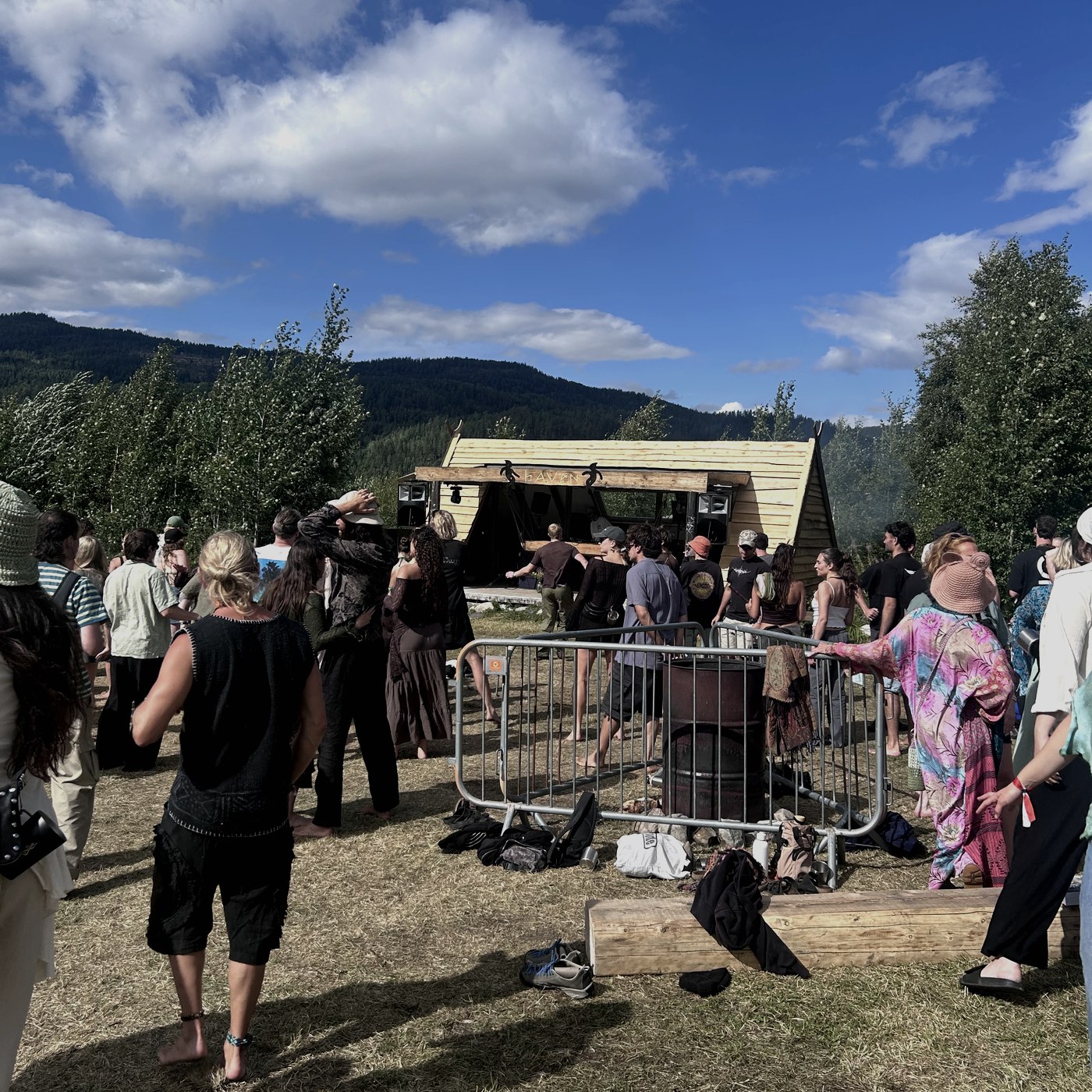
Four days in the Forgotten Valley in Norway. A couple of thousand people, electronic music, forest, camping, sauna, workshops, food, conversations and very little separation between any of it.
I arrived partly as a visitor and partly as someone who makes festivals himself. The second part is difficult to switch off. You walk into a place and automatically start pulling it apart. Why is that there? How did they build this? How does the crowd move? What does the sound feel like? What would I change?
At some point during Monument I stopped doing it.
I just started being there.
That might be the most important thing I can say about the festival.
Monument isn't impressive because there is an enormous amount there. It is impressive because what is there feels considered.
The forest does a lot of the work. You move between places through it. You hear bass before you see where it is coming from. Light changes during a set. The temperature drops. Darkness turns a place you knew during the day into somewhere completely different.
Nature isn't a theme added on top of Monument.
It is simply where you are.
That distinction matters.
We have become very good at designing experiences that constantly ask for our attention. Another screen. Another activation. Another stage. Another thing you shouldn't miss. Festivals can become particularly good at this because we are terrified that an empty space might look like we forgot to programme it.
Monument leaves space.
And things happen inside it.
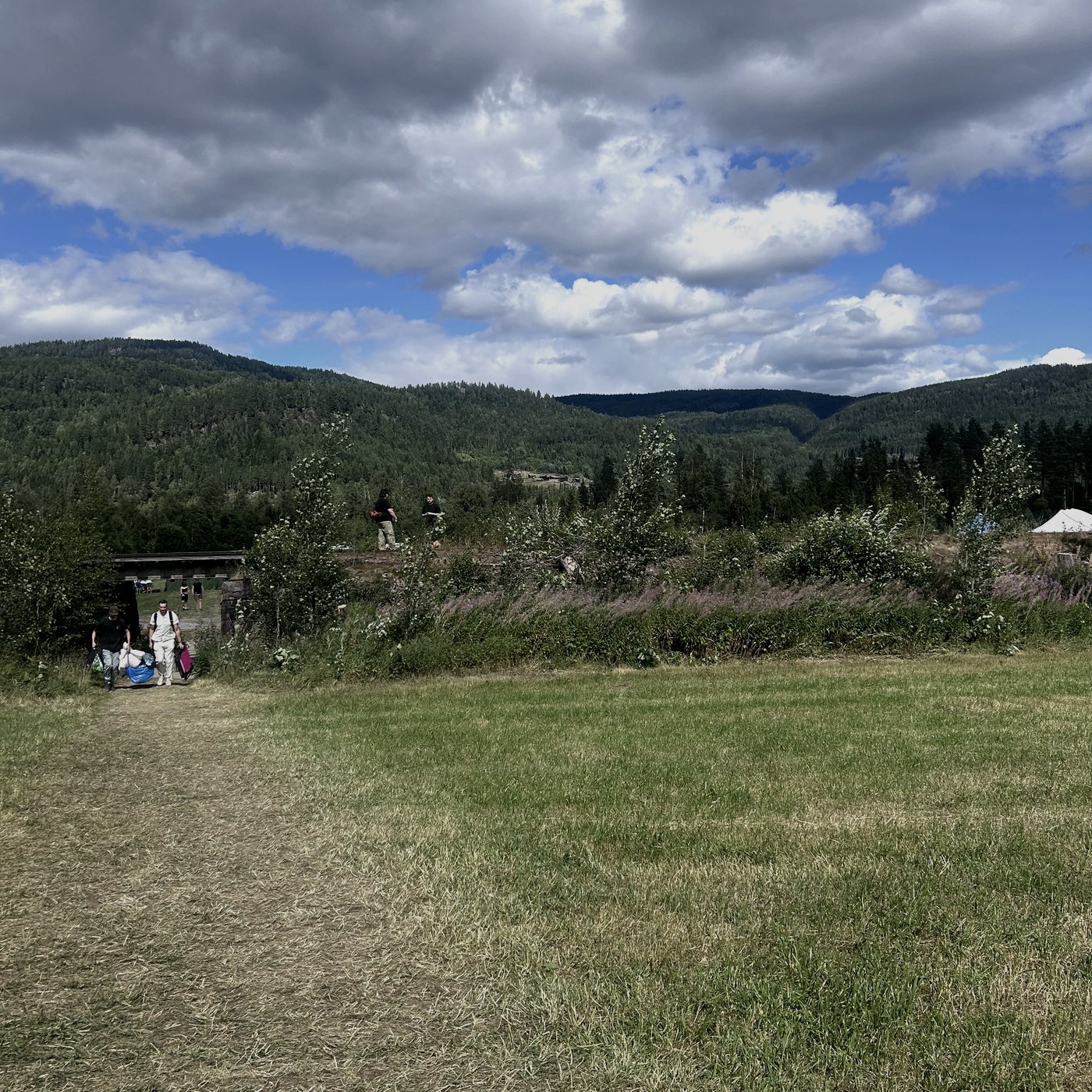
the way in
A festival with a rhythm
I came for the music, obviously.
Deep, hypnotic electronic music has a particular relationship with time. A set doesn't always reveal itself immediately. Repetition slowly changes how you listen. Something that would feel uneventful after five minutes can become completely absorbing after an hour.
Monument gives music that time.
But when I think back now, some of the things I remember most clearly aren't particular tracks or sets. They are everything around them.
Walking through the forest and hearing sound somewhere in the distance. Sitting down next to someone I'd met twenty minutes earlier. Sauna. Swimming. Eating because I suddenly realised I hadn't eaten in hours. Running into the same people again and again until strangers gradually became familiar.
The scale helps. Monument has described itself from the beginning as an intimate gathering, built around experiencing music together rather than simply presenting it to an audience. Its own writing talks about dancing with your best friend, meeting someone by the fire or simply disappearing into the music alone.
You feel that.
There are enough people to disappear, but few enough that you keep returning to each other.
And the festival understands that four days cannot be one continuous peak.
There are places for intensity and places for recovery. The wider programme has included sauna, meditation, breathwork, yoga, sound-based practices and spaces built specifically for resting and connecting. Monument's current programme continues that idea with things like embodied movement, meditation, folklore, poetry and sessions explicitly exploring music as a tool for connection.
At first these can look like additions to a music festival.
After four days they don't.
They change the rhythm of the whole thing.
A human body isn't supposed to peak for 96 hours. You need movement and stillness. People and solitude. Intensity and recovery. Night and morning.
A good festival understands that it isn't programming a timetable.
It is programming energy.
Care is something you feel
I had the chance to spend some time with Monument's founder, Henning Karwowski, while I was there.
One of the things he told me was how the team goes through the festival from the perspective of a guest. They walk it. They test it. They try to understand where something is missing or where the experience stops making sense.
It sounds almost boring compared with talking about artists or stages.
It might be more important than either.
Because care rarely announces itself.
You notice it when water is where you need water. When there is somewhere to sit after dancing. When a space gives you permission to slow down. When someone has thought about how you enter and leave rather than only what happens when you arrive.
Even Monument's volunteer descriptions reveal something about this philosophy. Camp hosts are described as sources of safety and support; area stewards are there to maintain the space and keep people hydrated; the setup crew turns an empty forest into somewhere people can dance, eat and rest.
None of those things make the poster.
Together they make the festival.
This is one of the things I've been thinking about most since returning home. We often talk about experience through the visible parts: programming, architecture, artists, branding, production.
Those are the things we can photograph.
Care lives between them.
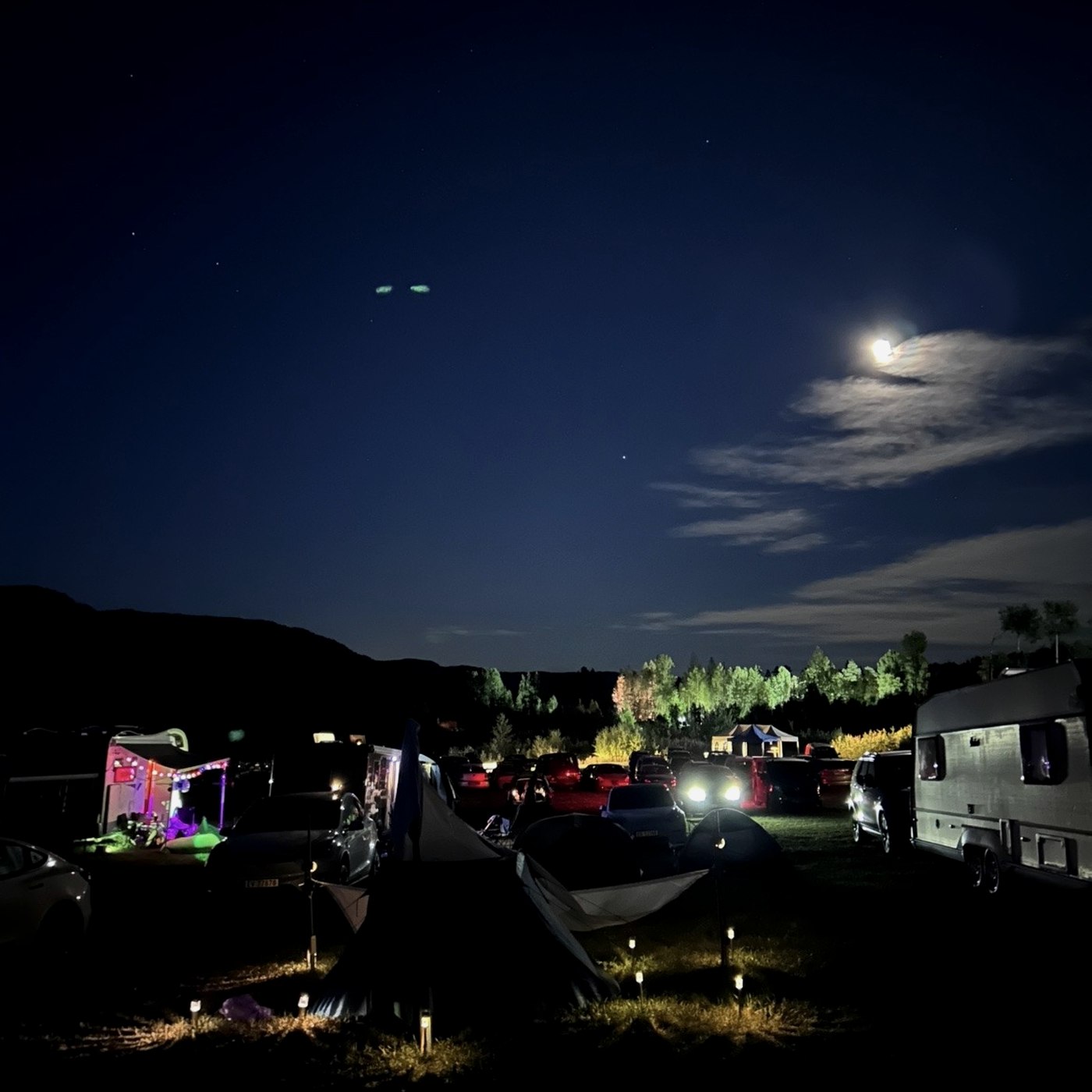
the campsite, past midnight
The community came first
The more I learned about Monument, the more its history started to explain what I was experiencing.
In April 2013, the first Monument podcast appeared with a dub-techno mix from Korpex. More podcasts followed. Norwegian artists at first, then people from much further away. The archive from that first year is still there: mixes, introductions, discoveries, people being given space because somebody thought their work deserved to be heard.
Then came events.
Then more people.
Then eventually the festival.
When Monument announced that first edition in 2019, the team wrote that creating a festival for its worldwide community had been a dream for six years. Fifteen people were behind it. Only 450 tickets existed.
I find that incredibly beautiful.
Not because small automatically means good. It doesn't.
Because the sequence is right.
Interest became curation. Curation became an audience. An audience became a community. And the community eventually needed somewhere to meet.
The physical thing was the consequence, not the starting point.
We live in a time where almost everything that works is immediately asked to scale. More followers, more tickets, more markets, more content, more reach. Festivals aren't immune to that. I know because I live inside that pressure myself.
But a forest has a capacity.
So does a dance floor.
So does a human being.
The interesting question isn't always how something becomes bigger. Sometimes it is how something becomes deeper without losing what made people care in the first place.
A sound system in a forest
There was another thought I couldn't get rid of during the weekend.
For something that can feel so primal, techno requires an absurd amount of technology.
Electricity, computers, synthesisers, software, mixers, CDJs, lighting systems, acoustic engineering, enormous speakers. Decades of technological development stacked together so that a DJ can stand in a Norwegian forest and make thousands of people move.
And what happens at the end of this incredibly sophisticated technological chain?
We gather around rhythm.
There is something almost funny about it.
Humans have always made beats. We have always gathered, danced, entered altered states through repetition, made rituals around sound. The tools became futuristic. The human need underneath them barely changed.
This is the contradiction that stayed with me.
Technology isn't separating people from the physical world at Monument. It is helping create an experience that could not be more physical.
You feel bass through your body. You get tired. Someone touches your shoulder. You notice the cold. You smell smoke. You look around and hundreds of people are moving to the same rhythm.
You have to actually be there.
Green light fanning through tall birch trees over the pyramid stage and crowdA ring of green laser light circling above the misty pyramid stageA blue and purple laser beam cutting through the trees over a silhouetted figureAn abstract cream-coloured laser pattern glowing across red-lit treesA violet laser silhouette of a figure standing in the hazeA wash of red light moving across the birch canopyFirelight and silhouettes gathered at nightPurple laser beams crossing through misty treesGolden laser beams crossing the night sky above the treeline
And that connects to something I have been trying to understand for a while.
We spend enormous amounts of time asking what technology will replace. AI makes that question feel particularly urgent now. What work disappears? What becomes automated? What no longer requires us?
I'm becoming more interested in the opposite question.
What should all of this technology allow us to do more of?
We don't lose our humanity because technology becomes more capable. We lose something if we use that capability only to remove ourselves from the experiences that make being alive meaningful.
Something I brought home
I don't want to copy Monument.
That would completely miss what I admire about it.
Monument works because it feels specific. Specific to the people who built it. Specific to its community. Specific to its music. Specific to a valley in Norway.
What I brought home wasn't a stage design or programming format.
It was permission to think more seriously about something that has been sitting somewhere inside me for a long time.
We are moving into a future that will become more technological, more automated and more artificial. At the same time, many of the things we seem to crave most remain incredibly basic: being outside, moving, listening, touching, making things, eating together, getting lost, meeting someone, sitting around a fire, dancing to the same rhythm.
Those things don't belong to the past.
They belong in the future too.
I've started calling the space between those two things Primal Futurism.
Not a rejection of technology. Not nostalgia. Not pretending we should all return to some imaginary simpler way of living.
The opposite.
I'm interested in how the possibilities of the future can deepen the things that have always made us human.
Lintukoto is where I'm going to explore that. Through music, stories, people, places, experiments and whatever else I find along the way.
And in a strange way, the path here started with my best friend going to a festival in 2025, coming home and telling me I needed to see it.
He was right.
Thank you, Monument Festival
A special thank you to the whole Monument Festival team for having me and for the care that goes into creating this temporary world in the forest.
And especially to Henning Karwowski.
Thank you for being so kind and generous with your time, for speaking openly with me about what you have built, and for being thoughtful about details that most people will never consciously notice.
More than anything, thank you for coming up with something this profound and then having the patience to let it become what it is.
That's probably what I admire most.
Monument has a philosophy. It has years of thought behind it. It has a community, a magazine, an enormous archive of music and a clear idea of why it exists. But when you're actually there, none of that needs to be explained to you. The philosophy disappears into the experience.
You can just dance.
Maybe that's when you know an idea has become real.